How the North East is Becoming the UK’s First Inclusive Recovery Region
Across the North East, September’s International Recovery Month is usually marked by community walks, sober socials, and quiet celebrations of personal milestones. This year, however, the region is marking the occasion with an unprecedented milestone of its own: a coordinated, cross-borough movement to establish the North East as the UK’s first Inclusive Recovery Region.
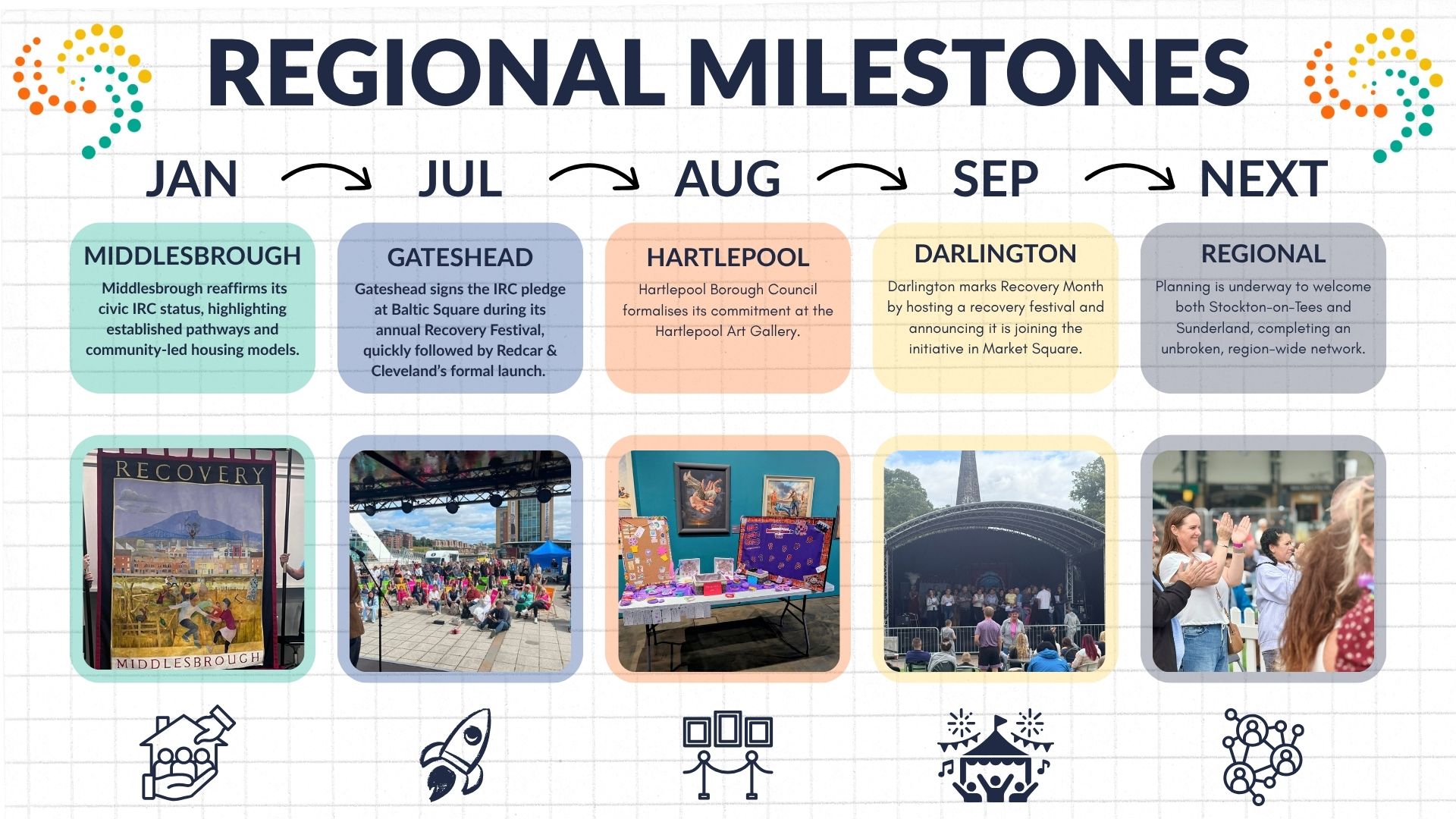
Following the foundational blueprint established in Middlesbrough, the spring and summer of 2026 have witnessed a rapid sequence of civic commitments. Gateshead, Redcar & Cleveland, Hartlepool, and Darlington have all formally pledged to become Inclusive Recovery Cities (IRCs), with advanced preparations underway to bring Stockton-on-Tees and Sunderland into the fold.
Driving this expansion is a pioneering Knowledge Transfer Partnership (KTP) between Recovery Connections and Leeds Trinity University’s Centre for Addiction Recovery Research, funded by Innovate UK.
Flipping the Script: Recovery as a Civic Asset
While headlines often focus on addiction, the transformative reality of recovery is frequently hidden from public view. The Inclusive Recovery Cities initiative is actively changing that, shifting the narrative to showcase recovery as a vital civic asset and a source of community strength.
In practice, Recovery Connections uses an Asset-Based Community Development (ABCD) model to turn this vision into tangible community wealth. The IRC framework formalises this work by bringing together local businesses, statutory bodies, and community partners to open up new pathways for individuals to rebuild their lives as active, valued citizens.
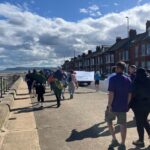
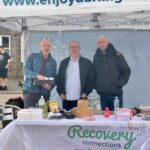
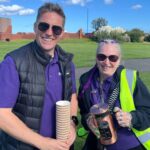
This spirit of collective celebration took centre stage this September at the Darlington Recovery Festival in Market Square. Speakers like Colin Hughes shared his lived experience right in the centre of town, illustrating how high-visibility civic events break down old barriers and replace stigma with pride, connection, and mutual support.
Grounding Grassroots Delivery in Academic Rigour
Driving this regional movement is a two-year Knowledge Transfer Partnership (KTP) between Recovery Connections and the Centre for Addiction Recovery Research at Leeds Trinity University. Funded by Innovate UK, this collaboration represents the UK’s first strategically embedded programme to build and evaluate Community Recovery Capital across a multi-borough footprint. The KTP creates an ongoing cycle of research and operational learning, marrying bottom-up peer support with top-down civic buy-in across all seven local authority areas.
A Rapid Wave of Regional Milestones
What began from pioneering work in Middlesbrough has quickly expanded into a cohesive regional corridor:
The Road Ahead: Governance and Sustainable Growth
The regional wave of pledges is only the starting point. As Stockton and Sunderland prepare to join, the focus moves toward long-term sustainability.
To achieve this, local IRC leadership boards are being established across each area. Composed of civic leaders, local employers, public health partners, and people with lived experience, these boards will oversee local action plans, unlock shared resources, and constructively guide Recovery Connections as the initiative matures.
By aligning frontline peer support with municipal backing and academic evidence, the North East is demonstrating how an entire region can unite to celebrate recovery, foster belonging, and build stronger communities.